Alternative Payment Channels Driving ID-Free Access to Mobile Live Games and High-Payout Slots
Greta Hayes · Jul 26, 2026
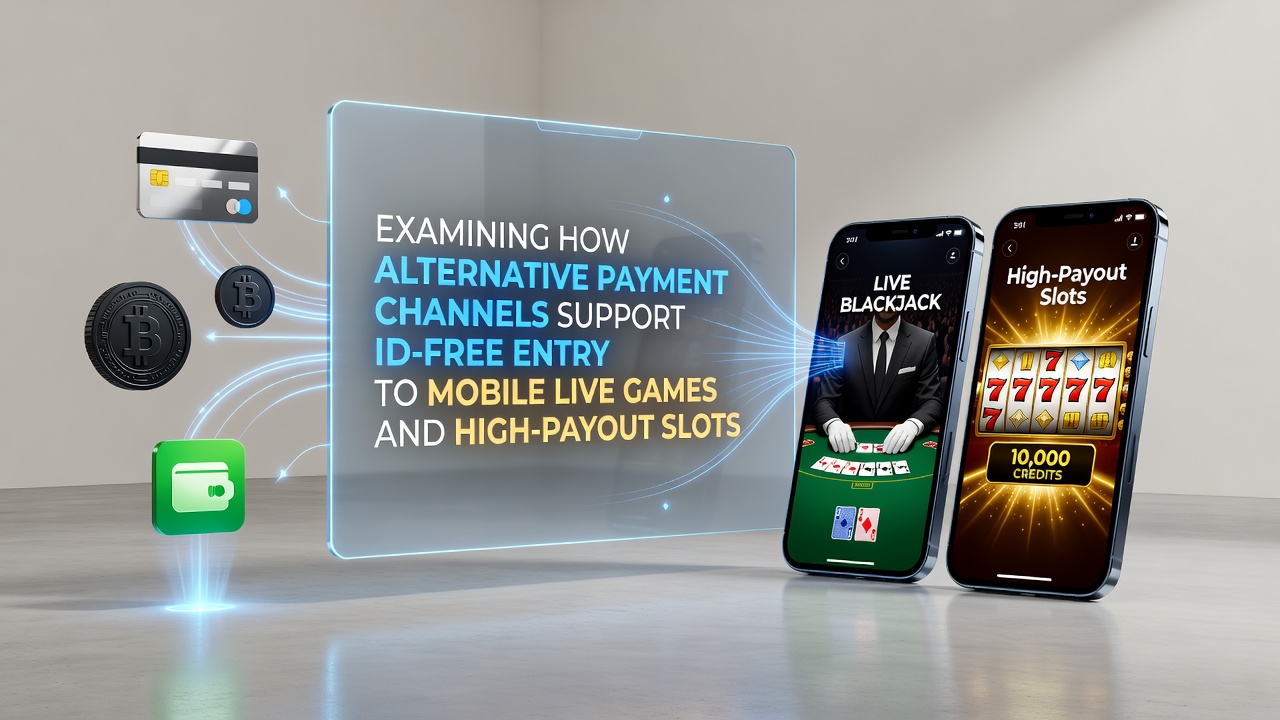
Alternative Payment Channels Driving ID-Free Access to Mobile Live Games and High-Payout Slots
Alternative payment channels such as phone bill deposits and SMS transactions continue to expand options for players seeking ID-free entry into mobile live games and high-payout slots, with market data from mid-2026 showing increased adoption across multiple regions. These methods allow direct billing through mobile carriers, which bypasses traditional verification steps while maintaining transaction records through telecom providers. Observers note that this approach supports seamless access to live dealer tables and slot titles with elevated payout structures, particularly where operators integrate carrier partnerships for instant top-ups.
Mechanics of Phone-Based Deposits in Mobile Gaming
Phone bill deposits function by adding gaming charges directly to a user's monthly mobile statement, a process that relies on carrier agreements rather than bank details or identity documents. Data from industry reports indicates that platforms using this channel processed a rising share of mobile transactions during the first half of 2026, with live game sections and high-payout slot lobbies showing the strongest uptake. Researchers at academic institutions studying digital payments highlight how these systems use short verification codes sent via SMS to confirm sessions, which reduces friction while complying with carrier-level security protocols.
High-payout slots benefit from this setup because quick funding enables repeated spins without delays, and live dealer environments gain from the same instant availability for table stakes. Figures reveal that average session times lengthen when deposits complete in under a minute, a pattern documented in platform analytics shared with payment processors. Those who track global trends point to carrier networks in Europe and Asia as early adopters of gaming-specific billing codes that flag transactions for regulatory review without requiring player identification at the gaming site itself.
Integration with Live Dealer Platforms and Slot Ecosystems
Live dealer platforms integrate alternative channels by embedding payment prompts directly into mobile apps, allowing players to fund accounts through carrier gateways while games remain active. This setup supports continuous play at roulette, blackjack, and baccarat tables where high-payout slots sit alongside real-time streams. Studies from research groups focused on digital entertainment note that ID-free flows maintain player retention rates because interruptions for verification drop significantly compared to card-based methods.
High-payout slot categories, including progressive jackpots, see parallel growth as SMS deposits feed directly into bonus rounds and multiplier features. One platform analysis conducted in July 2026 recorded elevated jackpot hit frequencies tied to sessions funded via phone billing, suggesting faster reload cycles contribute to overall engagement metrics. Experts at trade associations emphasize that these channels operate under carrier oversight, which includes spending caps and age verification at the account level before gaming access activates.
Global Patterns and Regulatory Context in 2026
Markets outside the UK demonstrate varied regulatory approaches to these payment methods, with Canadian provincial frameworks and Australian state guidelines permitting carrier billing under licensed operators. A report from the Australian Gambling Research Centre outlines how SMS-funded entries support compliant play in licensed environments without additional ID layers at the gaming interface. Similarly, data compiled by the American Gaming Association shows rising use of mobile carrier options in regulated US markets where state laws allow digital wallet alternatives.
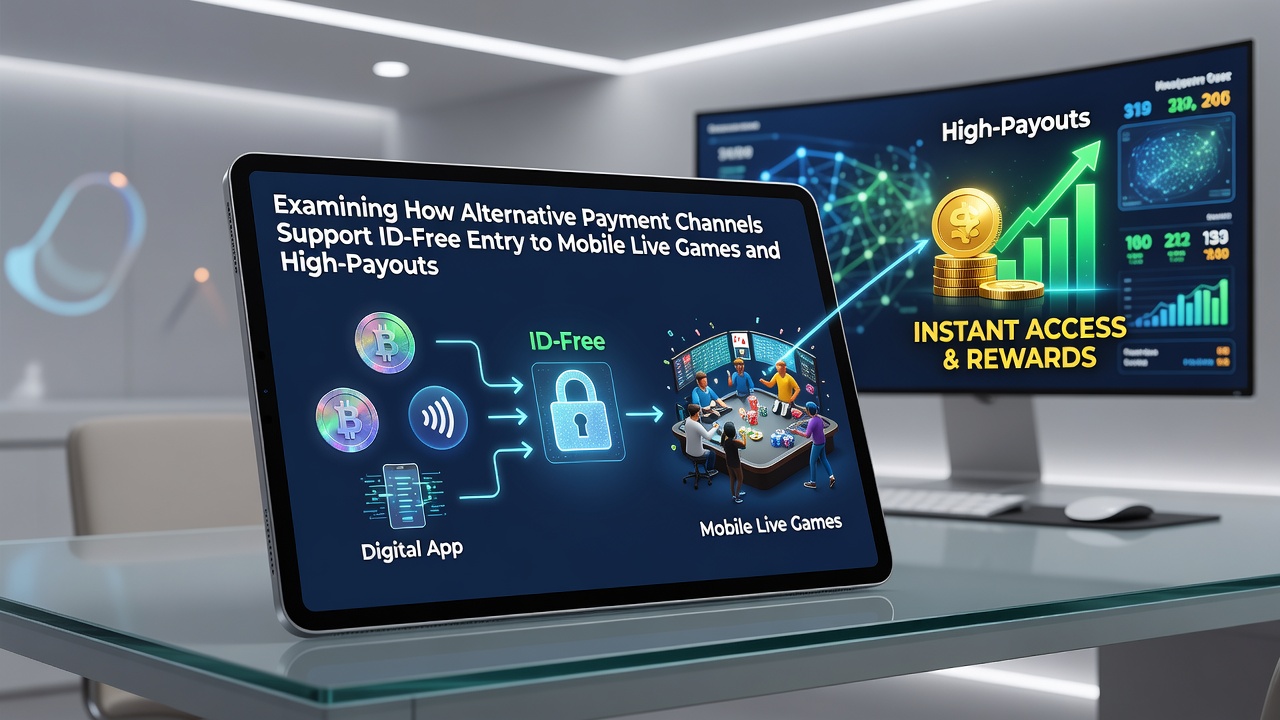
July 2026 updates in several jurisdictions refined disclosure requirements for phone bill gaming charges, requiring clearer itemization on statements while preserving the ID-free pathway at the operator end. This adjustment aligns with broader efforts to balance consumer protection and access convenience, as tracked by international gaming technology associations. Observers tracking these shifts report that operators adjust bonus structures and payout timelines to match the speed of SMS funding, often delivering winnings within the same hour when carrier confirmation completes.
Payout Timelines and Security Considerations
High-payout slots paired with alternative channels typically route withdrawals through the same carrier system or linked e-wallets, creating closed loops that accelerate processing. Platform data indicates sub-hour cashouts become feasible when initial deposits originated via phone billing, since transaction histories remain tied to verified mobile accounts. Security protocols include carrier-side fraud detection that flags unusual patterns before funds reach gaming wallets, which complements operator-side monitoring without introducing ID checks during active play.
Live game environments leverage the same infrastructure for table buy-ins and tip functions, maintaining continuity across mobile sessions. Research indicates that players using these channels encounter fewer interruptions at high-traffic live tables, where quick top-ups sustain momentum during peak hours. Those monitoring industry metrics note consistent growth in average deposit values when phone billing serves as the primary method, reflecting user preference for integrated mobile experiences.
Conclusion
Alternative payment channels continue to shape access patterns for ID-free mobile live games and high-payout slots through carrier-based billing and SMS integration. Market figures from 2026 demonstrate expanded reach in multiple regulatory environments, supported by evolving disclosure standards and carrier partnerships. These systems deliver documented efficiencies in funding speed and session continuity while operating within established oversight frameworks.