Carrier Billing Systems Facilitating Instant Game Type Switches in Global Mobile Gaming Environments
Greta Günther · Jul 24, 2026

Carrier Billing Systems Facilitating Instant Game Type Switches in Global Mobile Gaming Environments
Carrier billing operates through direct integration between mobile network operators and gaming platforms where deposits appear as line items on monthly phone statements rather than requiring separate financial accounts or card details. This mechanism supports immediate fund allocation to player balances while platforms process requests via secure APIs that link carrier authentication systems with casino wallets in seconds. Data from the Australian Communications and Media Authority indicates that mobile payment volumes in digital entertainment sectors grew steadily through 2025 with similar patterns projected into July 2026 as operators expand coverage across multiple jurisdictions.
Technical Integration Points Between Carriers and Gaming Servers
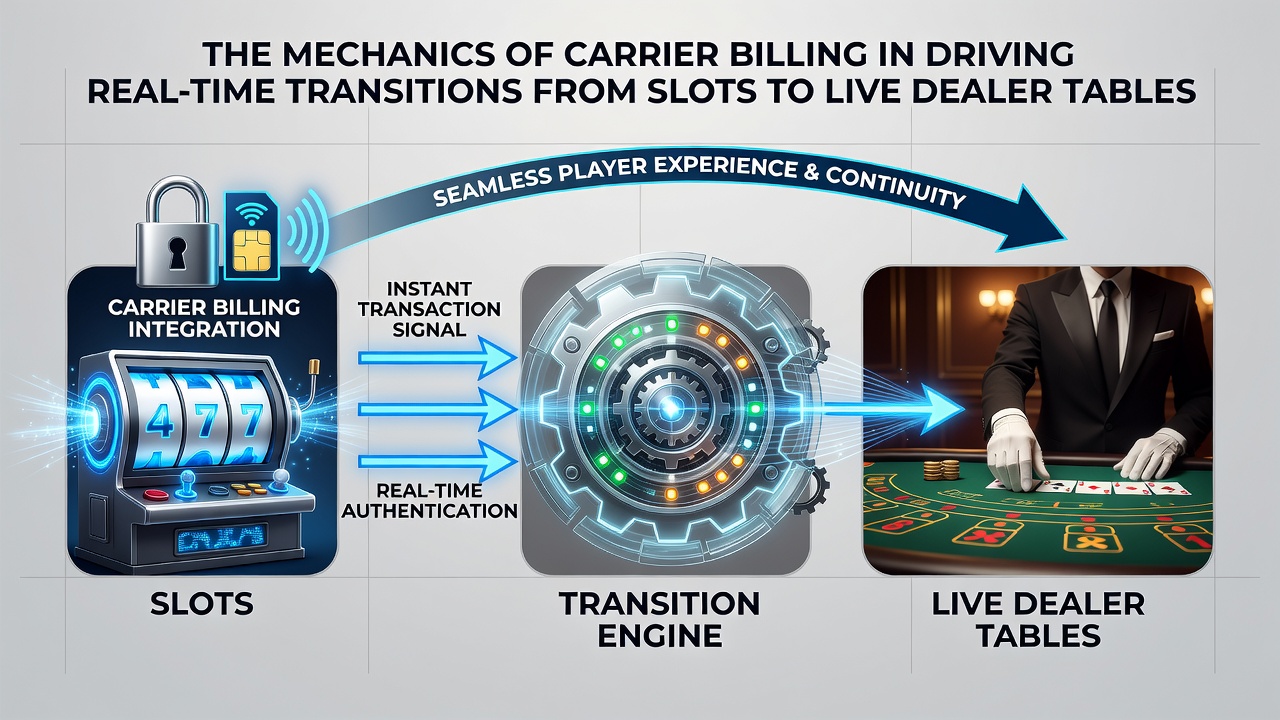
Platforms establish connections with carriers through standardized protocols that verify user eligibility via phone number alone while confirming available credit limits before authorizing transactions. Once approved the system credits the gaming account instantly allowing players to move from slot selections to live dealer interfaces without additional verification steps or balance reloads. Observers note that this setup reduces latency because carrier gateways handle authorization in parallel with platform session management rather than routing through third-party processors. Research from industry reports shows average transaction completion times under 10 seconds for approved requests which supports continuous play sessions across different game categories.
Session Continuity During Game Category Changes
Live dealer tables require stable connections and sufficient balances to accommodate minimum bet thresholds whereas slots often feature variable stake options. Carrier billing maintains session continuity by updating balances in real time so players can exit a slot round and join a table without logging out or re-authenticating. The process relies on persistent tokens generated during initial carrier verification which remain valid throughout the active period and permit seamless balance queries from both game engines. Figures from European mobile payment studies reveal that platforms using this model report higher retention rates during peak hours because interruptions from payment failures decrease significantly compared to card-based alternatives.
Regulatory Frameworks Across Licensing Regions
Jurisdictions such as those governed by the Malta Gaming Authority and the Kahnawake Gaming Commission establish guidelines for payment transparency that carriers must follow when billing gaming charges. These rules require clear itemization on statements and mechanisms for users to opt out or set limits which carriers implement through account dashboards. In July 2026 updates to cross-border data sharing agreements between carriers and operators are scheduled to take effect in several regions aiming to standardize reporting on transaction volumes and dispute resolutions. According to a report issued by the Canadian Gaming Association such frameworks help maintain operational consistency while allowing platforms to offer services to users in multiple countries without separate payment infrastructures for each market.
Security Protocols and Fraud Prevention Measures
Carrier systems incorporate device fingerprinting and SIM verification checks that flag suspicious activity before funds transfer to gaming accounts. When anomalies appear the authorization pauses and triggers manual review or user confirmation via SMS which adds a layer of protection during rapid game switches. Platforms combine these carrier-level controls with their own monitoring tools that track betting patterns across slots and live tables to detect potential misuse. Studies conducted by university gaming research centers have documented that combined verification approaches lower chargeback rates by aligning carrier records with platform activity logs in near real time.
Scalability Considerations for Growing User Bases
As player numbers increase carriers must handle higher volumes of micro-transactions without degrading response times. Infrastructure investments in distributed server networks allow parallel processing of requests from different geographic zones which keeps transitions between game types responsive even during high-traffic periods. Data compiled by international trade associations shows that platforms relying on carrier billing maintain uptime metrics above 99 percent when properly scaled while supporting concurrent sessions that span multiple game formats. This capacity proves essential for operators serving users who alternate frequently between automated slots and interactive dealer environments throughout single sessions.
Conclusion
Carrier billing continues to underpin efficient movement between slot play and live dealer participation by streamlining deposits and balance management across offshore platforms. Technical linkages with mobile networks combined with regulatory oversight and security protocols create conditions where real-time transitions occur without friction. As developments scheduled for July 2026 unfold further refinements in data exchange standards may expand these capabilities across additional regions while preserving the core mechanics that connect phone statements directly to gaming wallets.