Carrier Billing Transforms Live Blackjack Experiences at International Venues
Greta Hayes · May 29, 2026
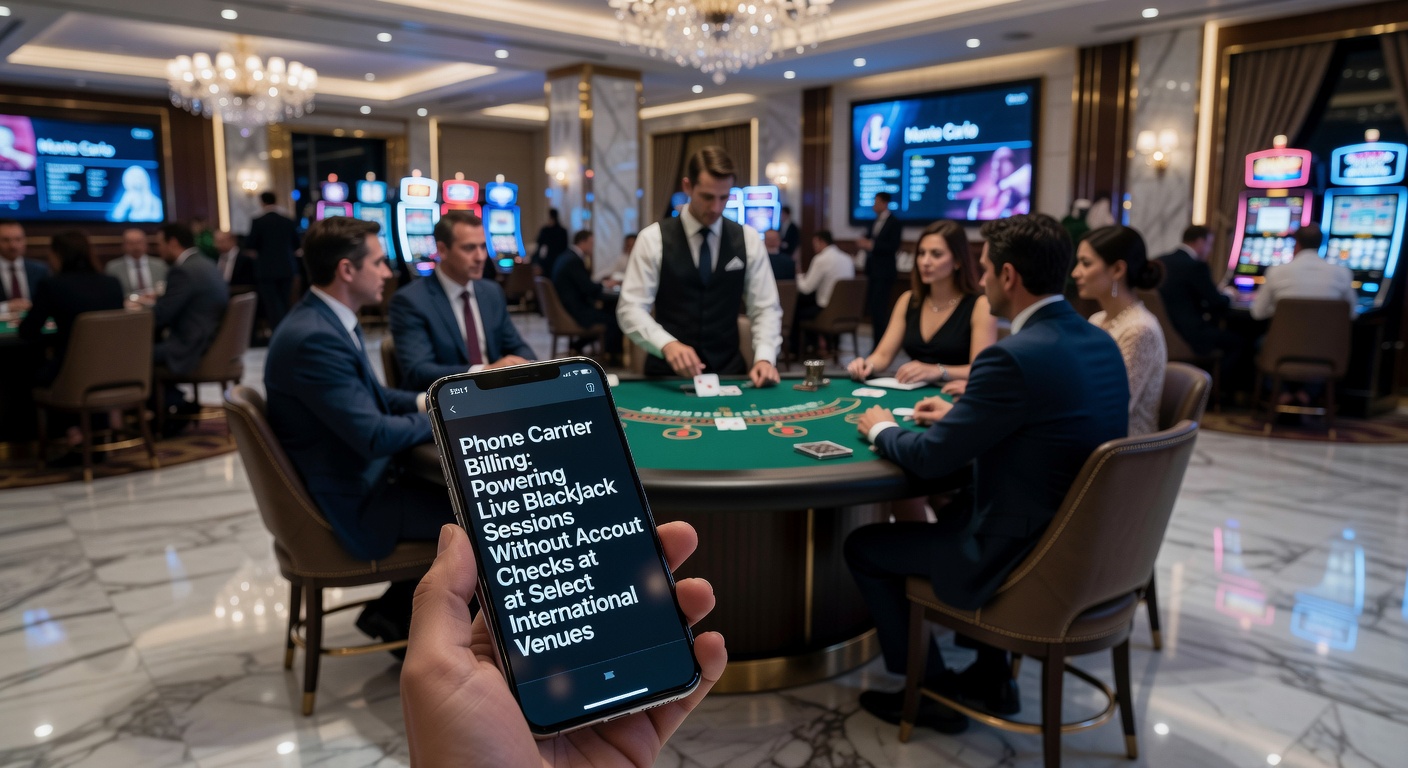
Carrier Billing Transforms Live Blackjack Experiences at International Venues
Phone carrier billing has emerged as a key mechanism allowing players to access live blackjack sessions at select international venues without undergoing traditional account verification processes, and this approach integrates directly with mobile network infrastructure to handle transactions seamlessly. Operators at these locations connect player devices to carrier systems that process charges through existing phone plans, which eliminates the need for separate financial accounts or identity submissions at the point of entry.
Mechanics Behind Carrier-Enabled Blackjack Access
Systems rely on SMS-based confirmations or app integrations that authorize small incremental charges to monthly bills, and this method supports real-time table entry where participants join dealer-led rounds immediately after carrier approval. Venues in regions such as parts of Europe and Asia have adopted the technology because it streamlines entry for international visitors who prefer not to share banking details, while data from mobile network operators shows transaction completion times averaging under thirty seconds during peak hours. Observers note that encryption protocols between carriers and venue platforms maintain transaction security, and this setup prevents direct storage of payment information on casino servers.
Venues Embracing the Model in 2026
By May 2026 several offshore platforms licensed under frameworks in Curacao and Kahnawake had expanded their live dealer offerings to include carrier billing for blackjack tables, and these sites cater primarily to users traveling through or based in areas with strong mobile penetration. The approach allows sessions to begin without creating dedicated player profiles, since carrier networks verify eligibility through phone number linkage alone, and figures from industry reports indicate a rise in such integrations following updates to cross-border payment standards earlier in the decade.
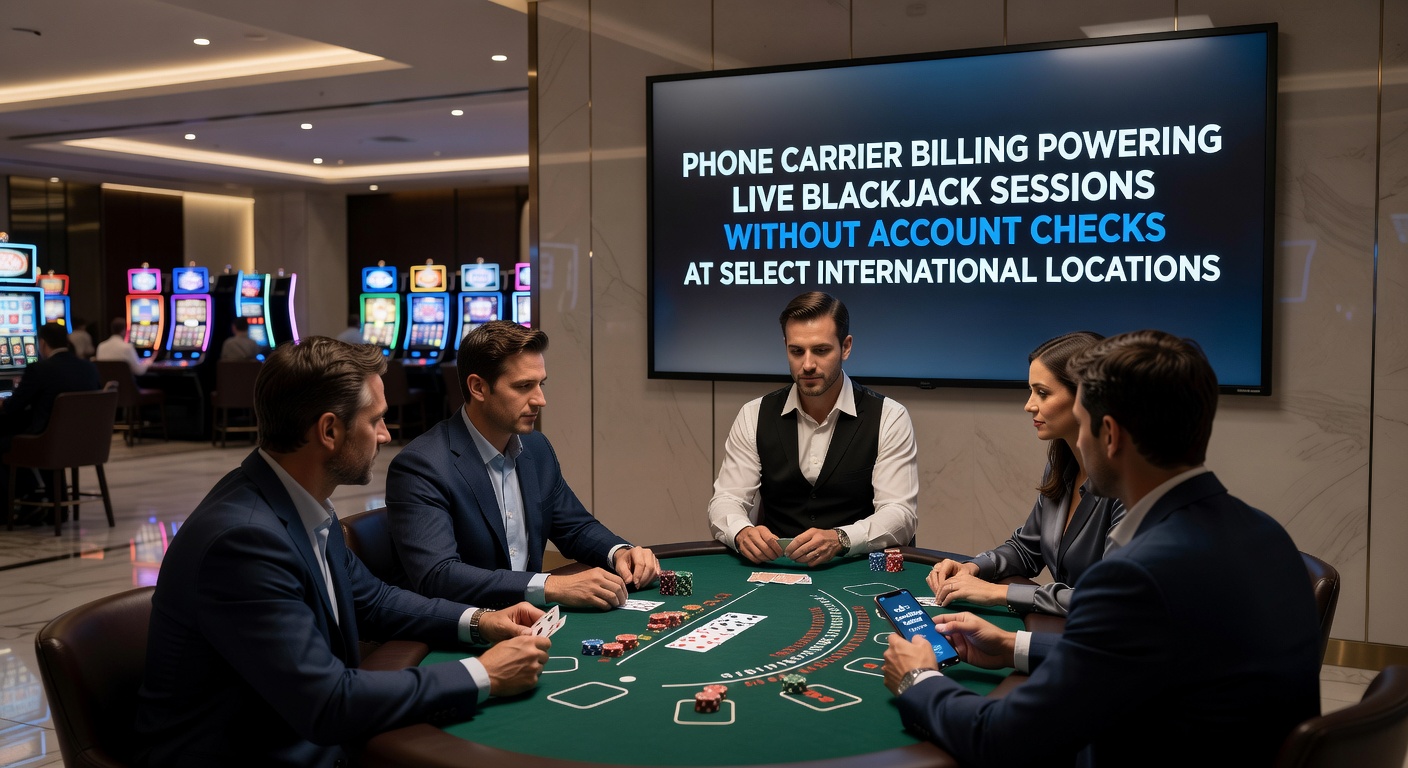
Case examples include platforms that route live streams through mobile-optimized interfaces where bets deduct straight from phone balances, and this removes friction associated with traditional deposit methods. Research conducted by academic institutions tracking digital payment adoption has highlighted how carrier partnerships reduce drop-off rates during initial access, since users avoid lengthy registration forms entirely.
Regulatory Context Across Regions
Authorities in Australia through the Australian Communications and Media Authority have examined carrier billing practices in entertainment sectors, and similar reviews by the European Commission focus on consumer protection elements within mobile transaction flows. These examinations emphasize transparency in charge disclosures yet permit the model when venues comply with disclosure rules, and data compiled by the International Telecommunication Union reveals growing usage in gaming-adjacent services across multiple continents. Venues operating under these conditions must still adhere to local age and location restrictions, which carriers often enforce through network-level filters before billing activates.
Player Experience and Operational Flow
Participants connect via venue-specific shortcodes or QR links that trigger carrier prompts, after which live tables appear on device screens without further identity prompts, and this sequence supports continuous play across multiple hands while charges accumulate on the next billing cycle. Those who have studied mobile gaming trends point out that the absence of account checks appeals to short-session visitors who value speed, whereas longer-term users sometimes combine the method with optional profile creation for loyalty tracking. Payout structures at participating sites typically convert winnings back through the same carrier channel or alternative channels, maintaining consistency with the initial deposit route.
Technical Infrastructure Supporting the Shift
Backend integrations between carriers and venue software rely on API connections that handle authentication tokens rather than personal data, and this architecture aligns with broader industry moves toward tokenized payments. Reports from research bodies such as those affiliated with the University of Oxford's Internet Institute have documented efficiency gains in similar mobile billing deployments outside gambling, where latency drops significantly compared to card-based alternatives. Select international operators have scaled these systems to accommodate high-volume blackjack rooms, ensuring that simultaneous users experience no degradation in stream quality or billing accuracy.
Conclusion
Carrier billing continues to shape access patterns for live blackjack at targeted international venues by prioritizing mobile network pathways over conventional account setups, and ongoing developments in payment technology suggest further refinements by the end of 2026. Stakeholders monitor these implementations through established regulatory channels to balance operational flexibility with compliance requirements across jurisdictions.