Carrier Payments Expanding Access to Digital Game Libraries for Users Beyond Self-Exclusion Programs
Taylor Coleman · Aug 2, 2026
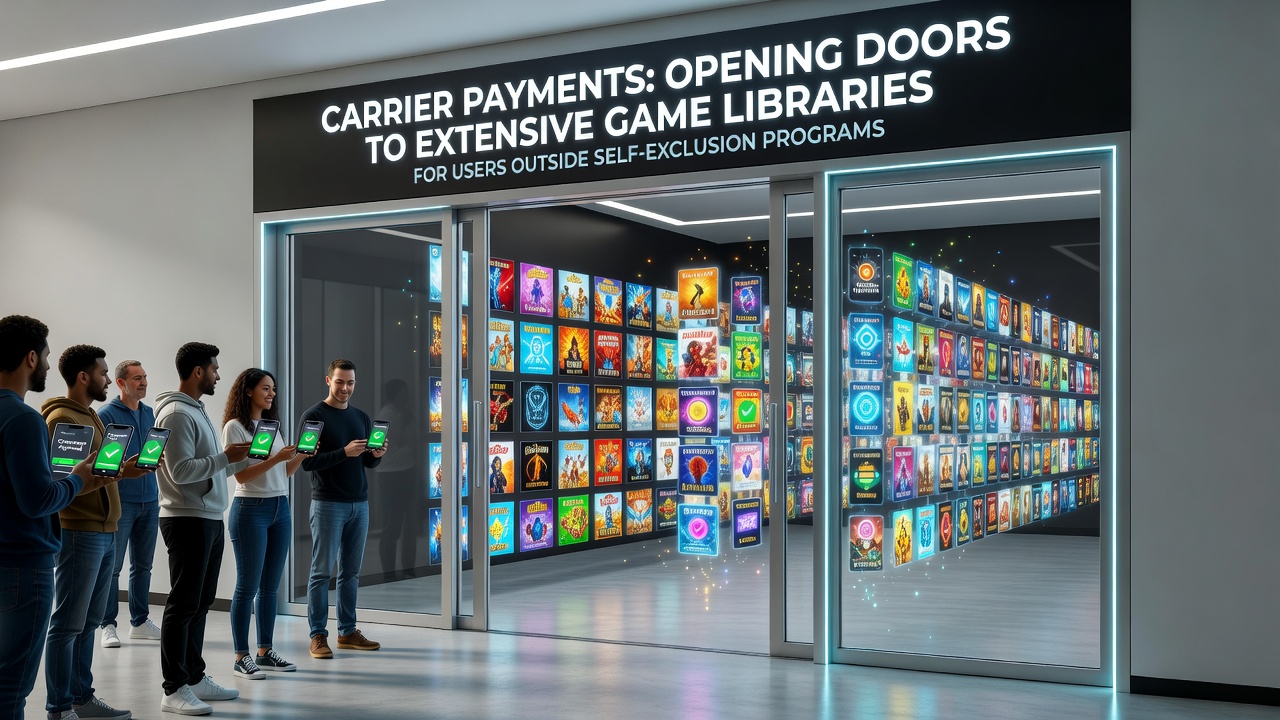
Carrier Payments Expanding Access to Digital Game Libraries for Users Beyond Self-Exclusion Programs
Carrier billing systems have integrated with digital platforms in ways that allow users outside self-exclusion programs to reach broader selections of games through direct phone account charges, and this development has accelerated by August 2026 as mobile network operators refine their transaction frameworks across multiple regions. Data from industry analyses show that these payment methods reduce barriers for verified account holders who maintain active status with carriers, enabling seamless purchases of game titles ranging from mobile apps to console downloads without additional financial intermediaries.
Mechanics of Carrier Integration with Gaming Ecosystems
Network providers process payments by adding charges to monthly statements or prepaid balances, which connects directly to app stores and gaming services that support such billing options, while users who remain outside self-exclusion registers gain entry to catalogs that include thousands of titles across genres. Observers note that authentication protocols tied to phone numbers verify eligibility in real time, and this setup supports transactions in regions where carriers partner with entertainment distributors to expand reach beyond traditional credit systems.
Regional Variations in Adoption Rates
European operators have documented rising volumes of carrier-based game purchases through 2026, whereas North American carriers report similar patterns in markets with established mobile infrastructure, and these figures reveal consistent growth tied to user accounts that avoid self-exclusion lists. Research indicates partnerships between carriers and platform holders streamline access, allowing verified users to explore extensive libraries that feature both free-to-play options and premium content unlocked via direct billing.
Those who have examined transaction data find that carrier payments often bypass certain verification layers required by other methods, yet they still enforce carrier-specific rules that align with broader responsible gaming standards in place for non-excluded participants. What's interesting is how this model supports recurring subscriptions to game services, where monthly fees deduct automatically from phone balances without interrupting access for eligible users.
Library Expansion Patterns Observed in 2026
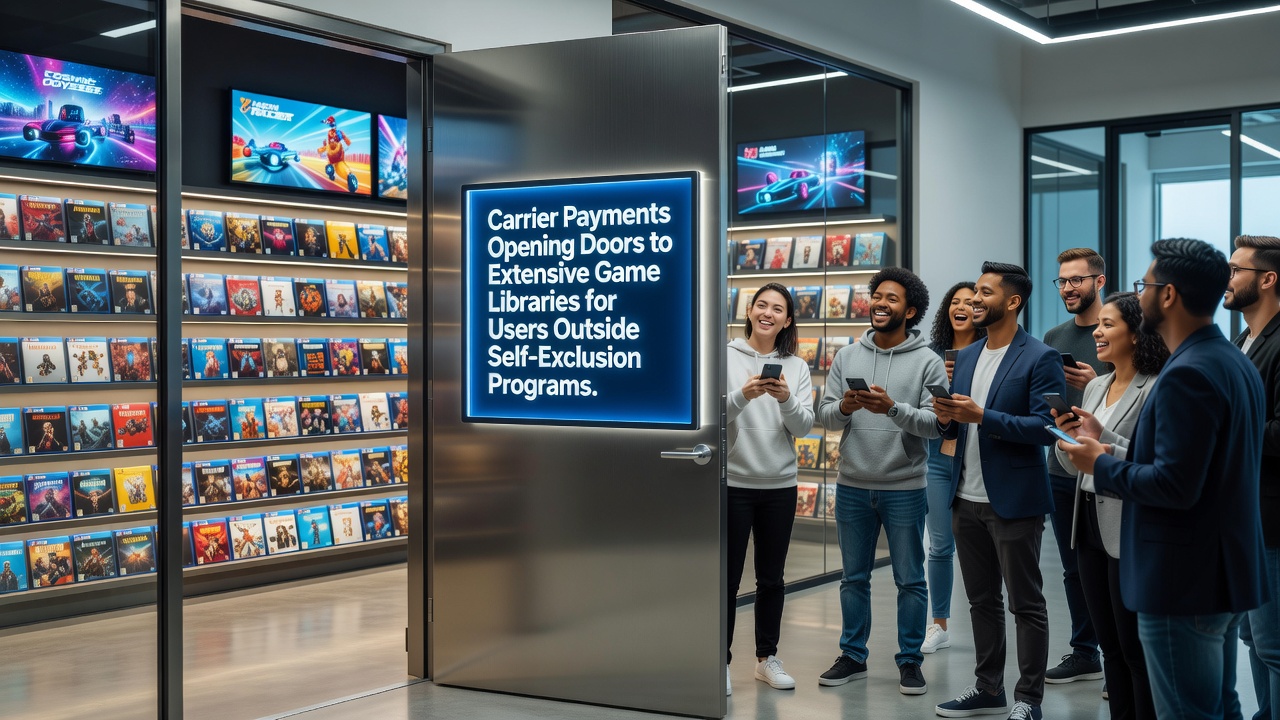
Game developers and distributors have added more titles to platforms compatible with carrier billing since early 2026, and this expansion connects with user segments that maintain open access through their mobile providers. Studies from academic sources highlight increased engagement metrics among accounts that utilize these payments, particularly in categories such as strategy games, role-playing adventures, and multiplayer environments that require ongoing updates or expansions.
According to reports issued by the International Center for Responsible Gaming, carrier-enabled transactions appear in datasets alongside other payment types, showing they facilitate entry to diverse collections without overlapping restrictions applied to self-excluded individuals. And the patterns continue as carriers update their systems to handle higher volumes, which in turn supports libraries that incorporate user-generated content and seasonal releases.
Security and Compliance Frameworks
Encryption standards applied to carrier transactions protect account details during game purchases, while compliance checks ensure that only users outside self-exclusion programs complete the process through their mobile accounts. Industry organizations track these safeguards, and data shows reduced instances of unauthorized access when billing ties directly to verified phone credentials rather than shared payment cards.
Take one case where a regional carrier collaborated with a major game distributor to launch bundled access packages, adn the initiative drew participation from accounts that met eligibility criteria tied to non-exclusion status. This approach demonstrates how carrier systems scale to accommodate growing libraries, including cross-platform titles that sync progress across devices linked to the same billing profile.
Future Trajectories Based on Current Indicators
Projections for late 2026 and beyond point to further integration of carrier payments with emerging game formats such as cloud-based streaming services, where users outside self-exclusion frameworks can subscribe and access extensive back catalogs through their existing phone plans. Evidence from market reports suggests these developments will continue alongside regulatory updates from bodies like the Australian Communications and Media Authority, which monitor billing practices across entertainment sectors.
Observers note steady refinements in how carriers segment user access, ensuring that game library expansions remain available primarily to those maintaining active, non-restricted accounts. The connections between payment infrastructure and content availability underscore a trend where mobile billing acts as a gateway rather than a limitation for eligible participants.
Conclusion
Carrier payments have established pathways that connect users outside self-exclusion programs to wider game libraries, with developments through August 2026 reflecting ongoing partnerships between networks, developers, and platform operators. These systems operate within established compliance structures that differentiate access based on account status, and the resulting expansions continue to shape digital entertainment options in measurable ways across global markets.