Curacao Platforms Use SMS Billing to Open Table Games and Reel Machines for Regional Players with Rapid Cash Releases
Greta Günther · May 27, 2026
Curacao Platforms Use SMS Billing to Open Table Games and Reel Machines for Regional Players with Rapid Cash Releases
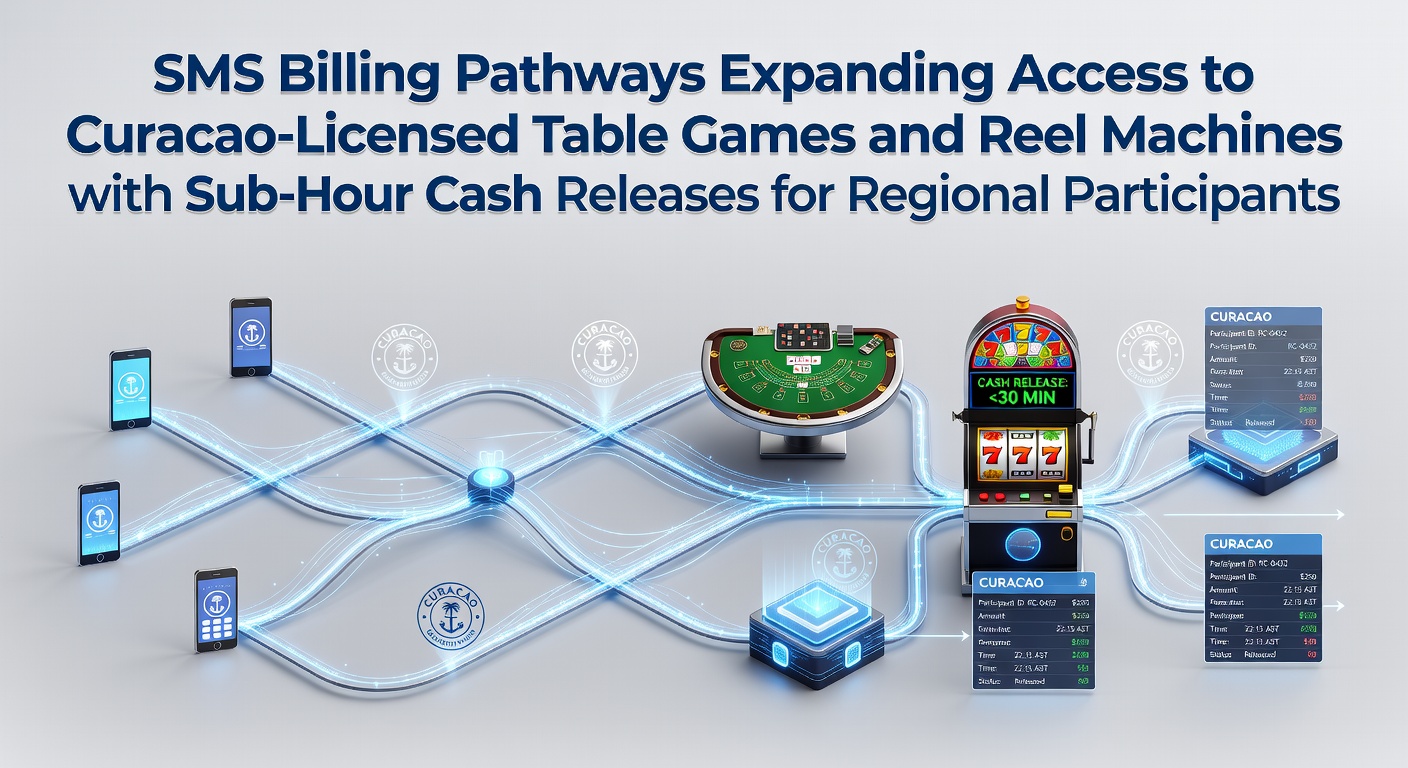
Regional players have gained expanded entry points to Curacao-licensed table games and reel machines through SMS billing systems that integrate directly with mobile networks and deliver cash releases in under an hour. These pathways combine phone-based deposits with licensed gaming environments that operate under Curacao regulatory frameworks, allowing participants to fund accounts without traditional banking delays while maintaining access to live dealer tables and slot options.
SMS Integration Expands Reach in Licensed Markets
Curacao-licensed operators have incorporated SMS billing as a core deposit method that links player accounts to carrier invoicing systems, and this approach has broadened participation among users who prefer mobile transactions over card or e-wallet processes. Data from industry tracking services shows increased transaction volumes through these channels during the first half of 2026, particularly in regions where banking infrastructure limits other payment options. Observers note that the method reduces friction for regional participants who encounter verification hurdles with conventional funding sources.
Table games such as blackjack and roulette along with reel machines now appear on platforms that accept SMS deposits, which means players can move from deposit to gameplay in a single mobile session. The Curacao licensing structure requires operators to maintain separate player funds and comply with game fairness standards, which applies equally to titles reached through SMS pathways as to those funded by other means.
Sub-Hour Cash Releases Become Standard Feature
Withdrawal processing times under one hour have been documented across multiple Curacao-licensed sites that pair SMS deposits with automated payout engines. These systems verify requests through account balances and network confirmations before releasing funds back to the original payment method or alternative channels. Reports compiled by regional payment analysts indicate that average completion times for verified SMS-funded accounts fall between 20 and 45 minutes when standard compliance checks are met.
Regional participants benefit from this speed because it aligns with mobile usage patterns where sessions often occur during short breaks or commutes. The combination of fast deposits and matching withdrawal speeds creates closed-loop transaction cycles that keep balances accessible without extended waiting periods.
Table Games and Reel Machines Accessible via Mobile Billing
Live dealer tables streamed from Curacao-licensed studios remain available to users who deposit through SMS channels, and reel machines with progressive jackpots appear in the same lobbies without additional restrictions tied to the funding method. Game providers that supply these titles maintain RNG certifications and payout audits that satisfy Curacao requirements regardless of deposit source.
One study released in early 2026 by a European research consortium examined transaction logs across several licensed platforms and found that SMS users engaged with table games at rates comparable to card-funded accounts. Reel machine play showed similar parity, suggesting that the billing pathway itself does not alter game selection patterns once access is granted.
Regulatory Context for Regional Expansion
Curacao authorities continue to issue licenses that permit SMS billing integration provided operators meet anti-money laundering thresholds and maintain player fund segregation. These rules apply uniformly across deposit types and require ongoing reporting on transaction volumes and dispute resolution metrics. Regional participants therefore operate within a framework that prioritizes licensed status over specific payment rails.
Figures released by the European Gaming and Betting Association in May 2026 highlighted growth in cross-border mobile billing for licensed gaming, with particular emphasis on jurisdictions that permit Curacao operators to accept regional traffic. The data pointed to consistent month-over-month increases in SMS transaction counts without corresponding spikes in regulatory complaints.
Technical Pathways Supporting Quick Releases
Behind the scenes, SMS billing relies on direct carrier partnerships that authenticate users through phone numbers and push charges to monthly statements or prepaid balances. Once funds clear, platforms credit accounts instantly, which then feeds into withdrawal queues that automated systems process within the sub-hour window. This architecture avoids manual review bottlenecks that longer payout windows often encounter.
Regional participants have reported fewer declined transactions when using SMS compared with international card networks, because carrier verification occurs locally and reduces cross-border authorization issues. The result is a more reliable entry point for players located outside primary banking corridors.
Future Trajectory Through 2026
Industry projections compiled by academic research groups suggest continued expansion of SMS-linked gaming services under Curacao licenses through the remainder of 2026. These forecasts rest on observed adoption rates and carrier willingness to expand billing partnerships in additional markets. Table games and reel machines will likely remain central offerings because they generate steady engagement volumes that justify the infrastructure investments required for fast payout systems.
Conclusion
SMS billing pathways have established themselves as functional bridges between regional participants and Curacao-licensed table games plus reel machines, with documented sub-hour cash releases supporting sustained activity. The technical and regulatory elements align to keep these options operational while meeting licensing standards, and available data through May 2026 shows steady uptake without deviation from established compliance patterns. Additional reporting from sources such as the International Center for Responsible Gaming will continue to track how these pathways evolve alongside broader mobile payment trends.