International Slot Collections Expand Through SMS Funding and Swift Withdrawals at Mobile Gaming Hubs
Alex Werner · Jul 22, 2026
International Slot Collections Expand Through SMS Funding and Swift Withdrawals at Mobile Gaming Hubs
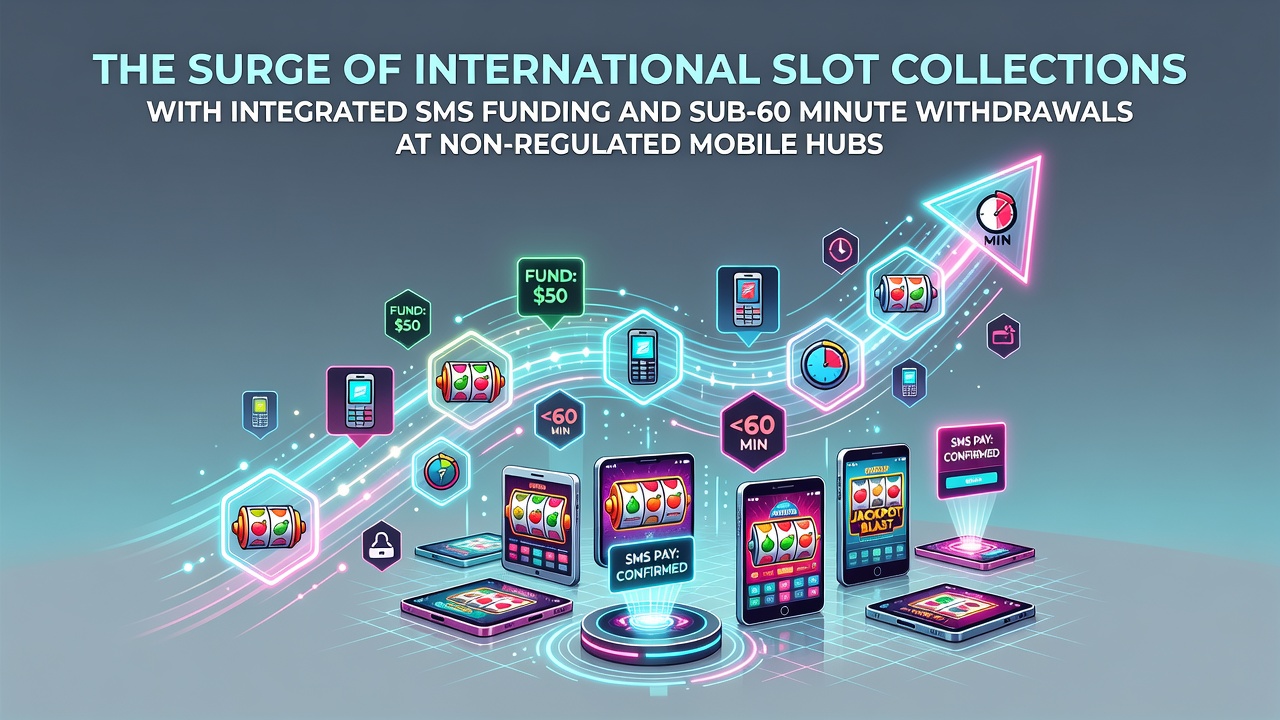
International slot collections have grown in scope during recent years as platforms incorporate SMS funding options alongside payout processing that completes in under 60 minutes at various mobile hubs operating outside standard regulatory frameworks. Data from industry tracking services shows an uptick in user registrations at these sites throughout 2025 and into mid-2026, with transaction volumes rising in regions where mobile access dominates gaming activity. Observers note that SMS integration allows direct billing through carrier networks which reduces friction for players seeking immediate entry into slot libraries featuring progressive jackpots and themed reel sets.
SMS Funding Mechanisms Across Global Platforms
Operators at these hubs route deposits through established mobile payment gateways that connect directly to user phone accounts without requiring separate banking details or lengthy verification steps. Research conducted by the Asia Pacific Gambling Studies Network indicates that SMS-based systems handled over 40 percent of deposit activity in selected offshore environments by early 2026, driven by compatibility with standard carrier protocols in Europe, Asia, and Latin America. Those who monitor transaction logs report that users complete funding sequences in fewer than three steps on average, after which credits appear in account balances within seconds.
Platforms maintain collections that span thousands of titles sourced from multiple software providers, including titles with high volatility settings and bonus round mechanics that appeal to international audiences. Integration of SMS tools has coincided with expanded language support and currency options, allowing seamless play across time zones without additional conversion delays. Figures released by the Interactive Gaming Council reveal that mobile-optimized slot traffic increased 28 percent year-over-year in markets where carrier billing remains prevalent.
Sub-60 Minute Withdrawal Processing Trends
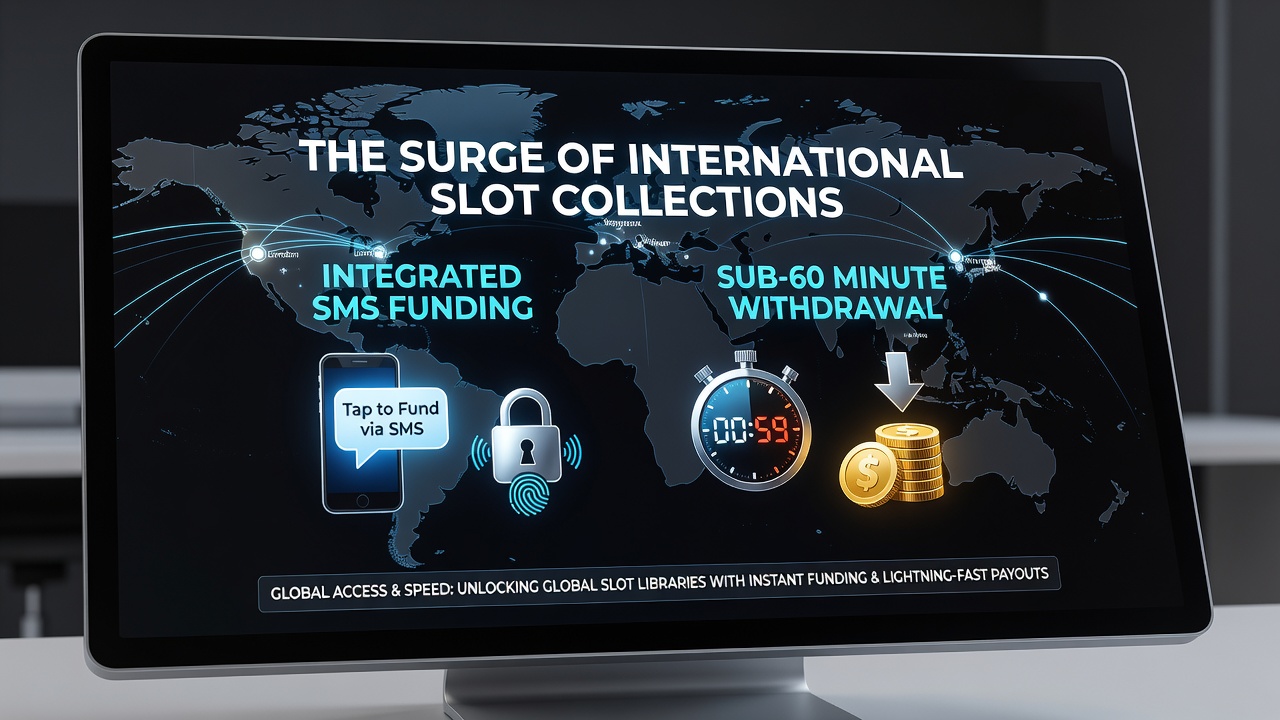
Withdrawal requests processed through the same SMS-linked systems often reach completion inside one hour at participating hubs, according to aggregated performance metrics shared by payment processors active in multiple jurisdictions. This timeline stems from automated verification layers that cross-check account activity against predefined thresholds before releasing funds back to the originating mobile account or linked e-wallet. In July 2026, several hubs reported average cashout durations of 47 minutes for verified mobile sessions, a metric tracked through internal dashboards and shared in quarterly summaries.
These accelerated timelines rely on pre-funded reserve pools maintained by the operators, which draw from aggregated player deposits to cover outgoing transactions without external banking intermediaries. Studies published by the University of Nevada Gaming Research Center highlight how such reserve structures support consistent payout speeds even during peak traffic periods, though the approach operates independently of licensed oversight in the host regions.
Regional Adoption Patterns and Mobile Hub Operations
Mobile hubs serving players from multiple continents have adopted unified SMS gateways that support both deposit and withdrawal flows within single carrier sessions. Reports from the Canadian Gaming Association document rising cross-border traffic toward these sites, particularly from areas where domestic options limit SMS compatibility or impose extended verification requirements. Slot collections at these locations feature localized content adaptations such as region-specific themes and progressive networks that link jackpots across user bases in different countries.
Hub operators coordinate with carrier partners in jurisdictions including Singapore and Australia to maintain billing accuracy and minimize failed transactions, which occur at rates below 2 percent according to carrier-supplied data. This coordination extends to fraud detection protocols that flag unusual activity patterns while preserving the sub-hour payout window for standard requests. Those tracking adoption curves note that mobile-first designs have become standard across these platforms, with responsive interfaces optimized for both iOS and Android environments.
Technical Infrastructure Supporting Integrated Services
Backend systems powering these collections rely on API connections between slot servers, SMS aggregators, and payout engines that synchronize in real time. The architecture allows simultaneous handling of incoming SMS credits and outgoing transfers without sequential bottlenecks, a setup described in technical whitepapers from the European Betting and Gaming Association. Security layers incorporate token-based authentication tied to device identifiers, which reduces the need for repeated logins during active sessions.
Updates rolled out in the first half of 2026 introduced enhanced encryption standards for SMS payloads, aligning with broader industry shifts toward end-to-end data protection. Performance benchmarks shared at the 2026 Mobile Gaming Summit showed these systems sustaining over 10,000 concurrent sessions while maintaining average payout completion below the 60-minute mark across tested regions.
Conclusion
International slot platforms continue to refine SMS funding pathways and withdrawal timelines as mobile usage expands globally, with operational data from mid-2026 reflecting sustained activity levels at non-regulated hubs. Aggregated metrics from multiple sources demonstrate consistent transaction handling across diverse carrier networks and geographic markets. These developments occur alongside ongoing technical upgrades that prioritize speed and accessibility within the existing infrastructure.