Mobile Billing Systems Drive Growth in Multi-Provider Live Casino Networks
Alex Werner · Jun 26, 2026
Mobile Billing Systems Drive Growth in Multi-Provider Live Casino Networks
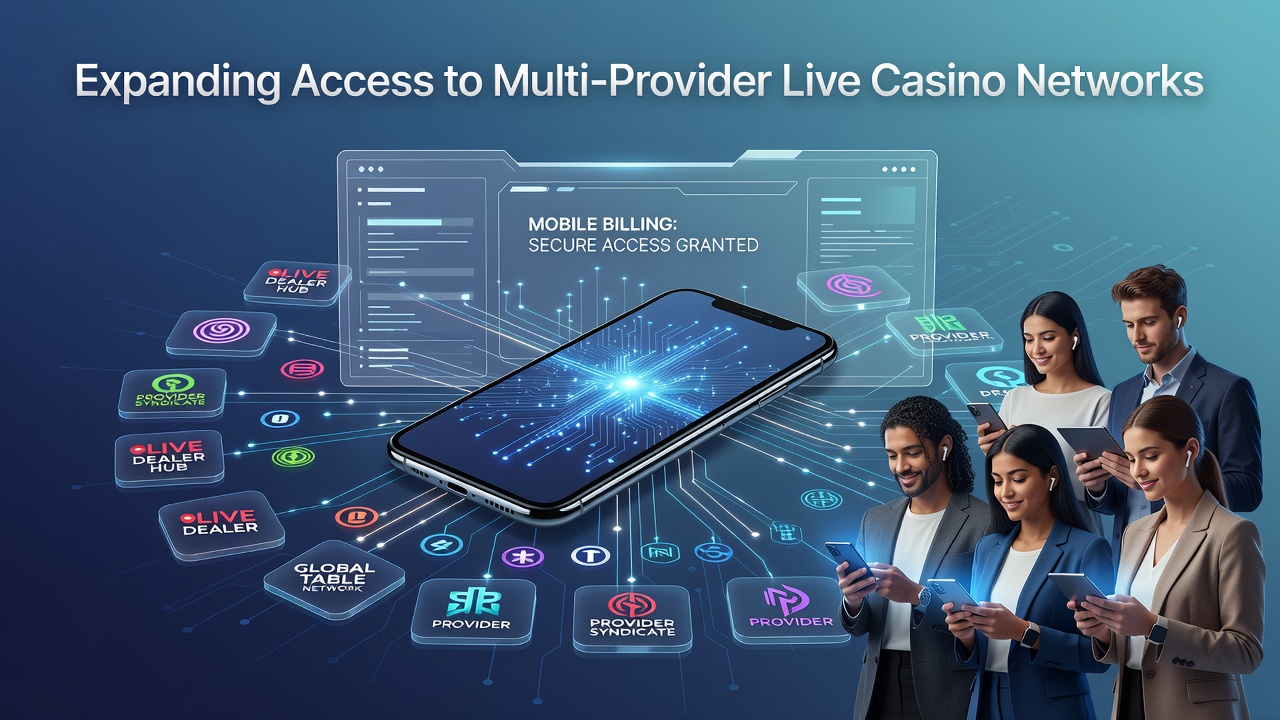
Mobile billing integrates directly with carrier networks to process payments for live casino sessions and this approach removes traditional banking hurdles that once limited player participation across different software providers. Operators connect multiple live dealer platforms through single billing channels which creates unified entry points for users who prefer not to share card details repeatedly. Data from industry tracking services shows steady increases in transaction volumes tied to these methods especially in markets where smartphone penetration exceeds 80 percent of the adult population.
Mechanics Behind Carrier-Based Casino Funding
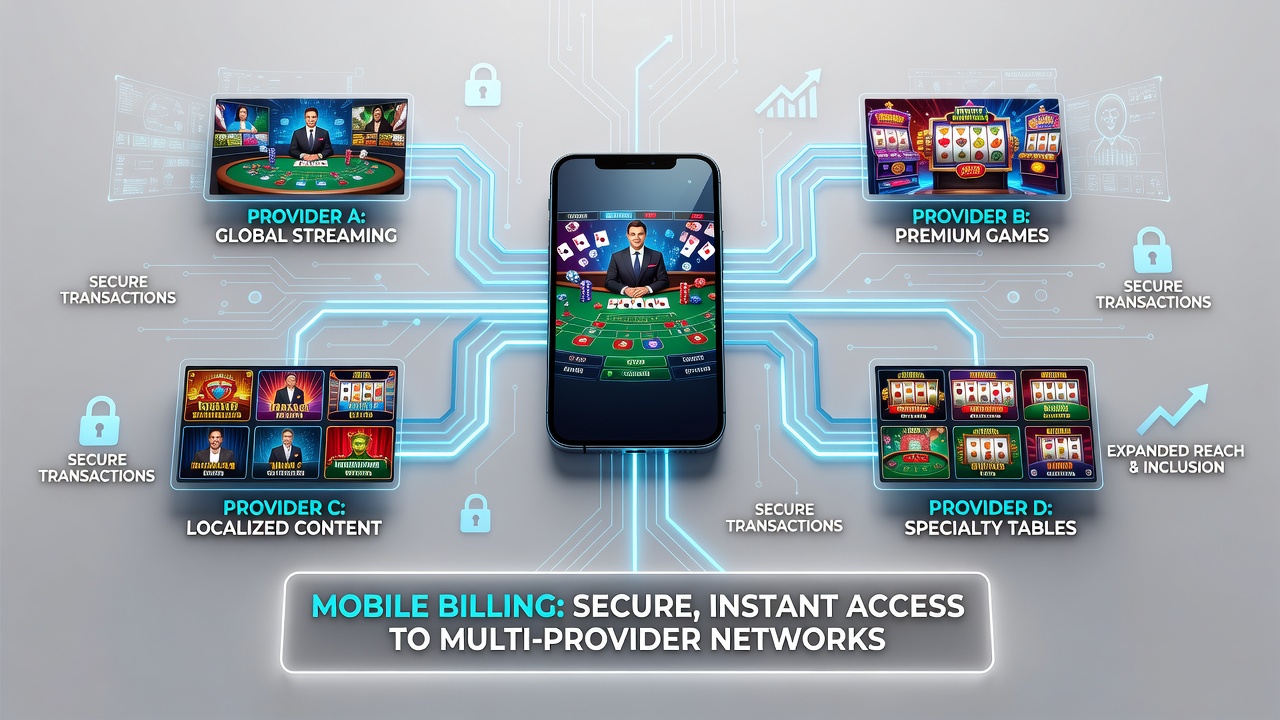
Users select mobile billing at checkout and the charge appears on their monthly phone statement or deducts from prepaid balances while platforms verify eligibility through carrier APIs in seconds. This process supports real-time deposits that fund sessions with providers such as Evolution Gaming or Playtech Live without requiring separate accounts for each network. Network operators report that integration with billing gateways allows simultaneous access to roulette tables from one supplier and blackjack streams from another all within the same player interface. Technical standards developed by payment processors ensure compatibility across regions where regulatory frameworks permit such transactions.
Access Expansion Across Diverse Provider Ecosystems
Multi-provider networks rely on aggregated content feeds and mobile billing lowers entry barriers by handling micro-transactions that keep players engaged with varied game libraries. Research compiled by the European Gaming and Betting Association indicates that billing options tied to phone accounts correlate with higher session durations when users explore content from several studios in one visit. Players gain entry to live dealer environments without navigating multiple payment gateways and this streamlines movement between different table configurations offered by competing software houses. In June 2026 industry metrics highlighted continued adoption rates among demographics that previously avoided online platforms due to verification delays associated with conventional methods.
Regional Patterns and Regulatory Context
European markets demonstrate varied uptake with some jurisdictions allowing carrier billing under consumer protection rules while others impose spending caps tied to phone plan limits. Australian regulatory reviews have examined how these systems affect responsible gambling tools and figures from Gambling Research Australia reveal that transaction logging through mobile carriers provides clearer audit trails than certain digital wallet alternatives. North American operators in regulated provinces have incorporated similar billing layers to connect players with live networks spanning multiple international suppliers and compliance teams note improved traceability for age verification processes. Those who monitor cross-border trends observe that mobile billing reduces friction in regions where banking restrictions previously blocked direct casino funding.
Technical Integration and Network Scalability
API connections between casino platforms and billing providers enable automatic currency conversion and session tracking across different live dealer feeds while maintaining separate provider licenses under one user profile. Scalability improves because carriers already manage high-volume small-value transactions for other digital services and this infrastructure supports sudden spikes during peak live event periods such as tournament streams. Security protocols include encrypted token exchanges that prevent exposure of personal banking data yet still allow operators to reconcile funds across provider networks. Observers note that updates to these systems in recent years have focused on reducing latency during live dealer interactions funded through carrier channels.
Future Developments in Billing-Enabled Casino Access
Providers continue testing expanded carrier partnerships that could link billing directly to loyalty programs spanning multiple live casino suppliers and early pilots show users accumulating rewards points regardless of which software powers the chosen table. Regulatory bodies in various regions evaluate updates to transaction reporting requirements that would standardize data shared between carriers and gaming operators. Expansion into additional markets depends on agreements that address consumer spending visibility and dispute resolution procedures common to phone billing disputes. Those tracking these shifts report ongoing collaboration between payment technology firms and casino network aggregators to refine access protocols.
Conclusion
Mobile billing establishes practical pathways for users to engage with live dealer content from numerous providers through streamlined carrier transactions and this model supports broader network participation without repeated payment setup steps. Industry data continues to document adoption patterns that align with smartphone usage growth worldwide while regulatory frameworks evolve to accommodate the associated transaction flows. Integration efforts focus on maintaining compliance across jurisdictions and preserving seamless movement between different live casino environments.