Mobile Network Magic: How Pay-by-Phone Features Enhance Live Dealer Experiences at Select Offshore Platforms
Greta Günther · May 22, 2026
Mobile Network Magic: How Pay-by-Phone Features Enhance Live Dealer Experiences at Select Offshore Platforms
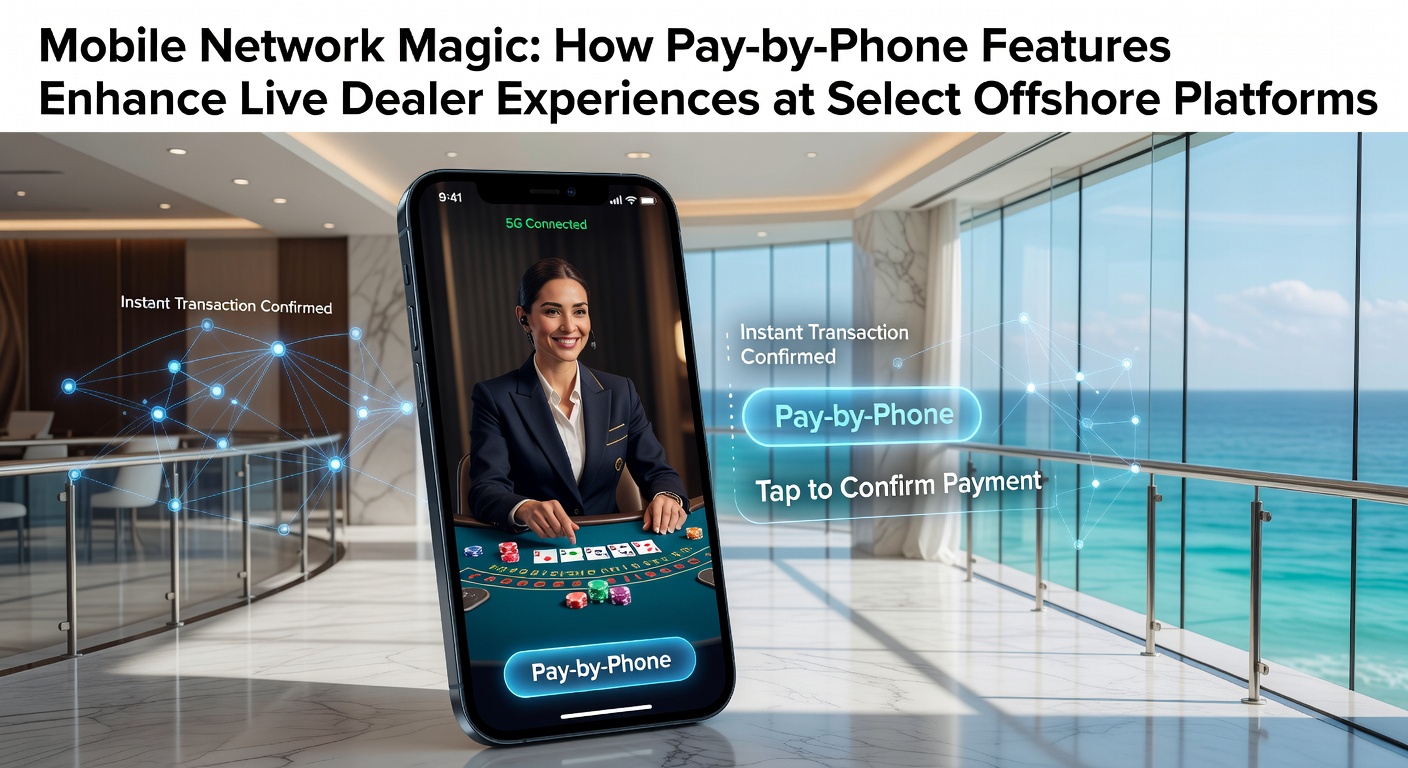
Pay-by-phone features have become a notable element in the operations of certain offshore gaming platforms that offer live dealer services, allowing players to handle transactions through their mobile network carriers while participating in real-time table games. These systems connect directly with telecommunications providers to process deposits and withdrawals, which reduces the need for traditional banking intermediaries and supports quicker access to games like roulette, blackjack, and baccarat streamed from remote studios.
Integration of Mobile Billing with Live Dealer Interfaces
Offshore platforms that incorporate pay-by-phone technology typically route payments through established carriers such as those operating in Europe and Asia, where billing appears on monthly phone statements or as immediate deductions from prepaid balances. This setup enables users to fund accounts without entering card details during active sessions, which maintains continuity when switching between betting rounds or engaging with dealers via video feeds. Data from industry reports indicates that transaction times for such deposits often fall under 30 seconds, a factor that aligns with the pace of live dealer interactions where decisions occur in seconds.
Observers note that platforms licensed in jurisdictions like Curacao or Malta have adopted these methods to accommodate players seeking minimal interruptions, particularly during high-volume periods in May 2026 when seasonal promotions coincide with increased mobile usage worldwide. The underlying infrastructure relies on secure SMS confirmations and app-based authorizations that verify identity through carrier networks rather than separate verification portals.
Technical Advantages in Real-Time Gaming Environments
Live dealer experiences benefit from the low-latency capabilities of modern mobile networks, including 5G deployments that support simultaneous video streaming and payment processing without noticeable delays. When a player initiates a deposit mid-game, the system processes the request via the carrier's billing API, credits the account balance, and updates the table interface so that bets can proceed immediately. Research from the European Gaming and Betting Association highlights how these integrations minimize downtime compared to traditional methods that require external redirects.
Furthermore, encryption protocols embedded in carrier partnerships protect transaction data as it travels between the player's device, the network, adn the platform's servers, which adds a layer of security relevant to offshore operations handling international traffic. Those who've examined platform architectures point out that this approach also supports multi-device continuity, letting users move from phone to tablet while preserving session states in live environments.
Player Accessibility and Platform Selection Patterns
Select offshore platforms prioritize pay-by-phone options to reach audiences in regions where banking restrictions limit conventional transfers, yet mobile subscriptions remain widespread. Players in such areas can access live dealer tables by charging deposits to their phone bills, which streamlines entry for table games that demand quick top-ups during extended play sessions. Figures from the Australian Communications and Media Authority reveal rising adoption of carrier billing for digital entertainment services, a trend that extends to gaming platforms operating beyond domestic borders.
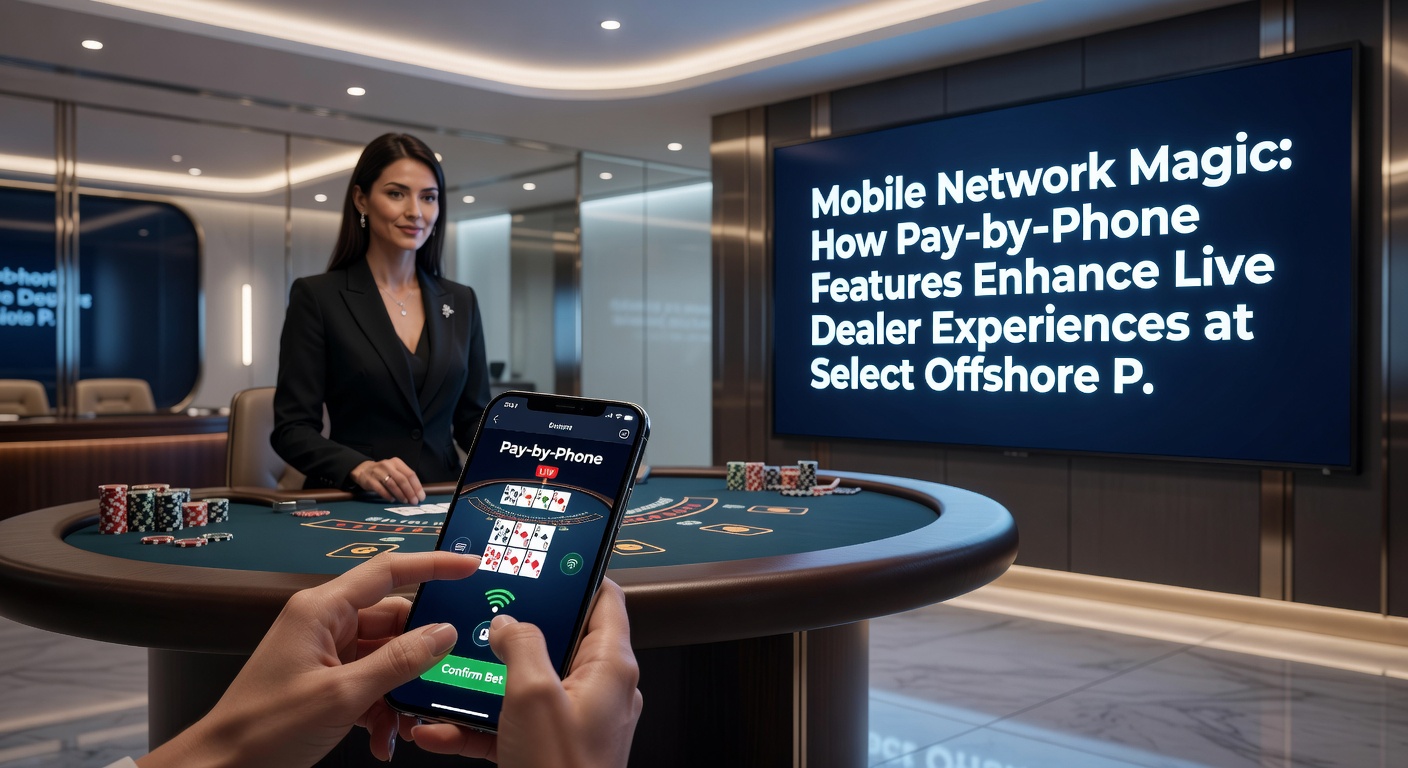
What's interesting is how these features intersect with mobile optimization efforts, as many platforms redesign their live dealer lobbies to include one-tap billing buttons visible alongside game controls. This design choice reduces friction for users who prefer to keep focus on dealer interactions rather than navigating separate payment screens. Case examples from platforms in the Caribbean licensing region show consistent use of SMS verification flows that confirm amounts before crediting balances, which supports uninterrupted play across different time zones.
Operational Considerations for Offshore Providers
Providers that implement pay-by-phone systems must coordinate with multiple carriers to handle varying fee structures and regulatory requirements across markets. In practice this means maintaining partnerships that cover major networks in target regions, ensuring that transaction limits align with live game stake ranges without triggering carrier blocks. Industry analyses indicate that platforms adopting these methods report higher retention rates during peak hours because players encounter fewer barriers when adjusting their balances on the fly.
Yet the approach also requires robust backend monitoring to track billing disputes and reconcile carrier reports with platform ledgers, a process that becomes more complex as live dealer volumes increase. Observers tracking developments into May 2026 note that advancements in network APIs have simplified some reconciliation tasks, allowing for near-instant settlement reports that match the speed of live game outcomes.
Conclusion
Pay-by-phone features continue to shape how certain offshore platforms deliver live dealer content by linking mobile network capabilities directly to real-time gaming interfaces. The combination of rapid carrier billing, secure verification, and mobile-optimized designs creates environments where players maintain engagement without shifting attention away from dealers or table action. As network technologies evolve and more carriers expand their digital payment services, these integrations are likely to appear across additional platforms seeking to streamline access for international audiences.