Phone Bill Transactions Unlock Instant Live Table Access and Rapid Payouts at Global Offshore Venues
Alex Werner · May 24, 2026
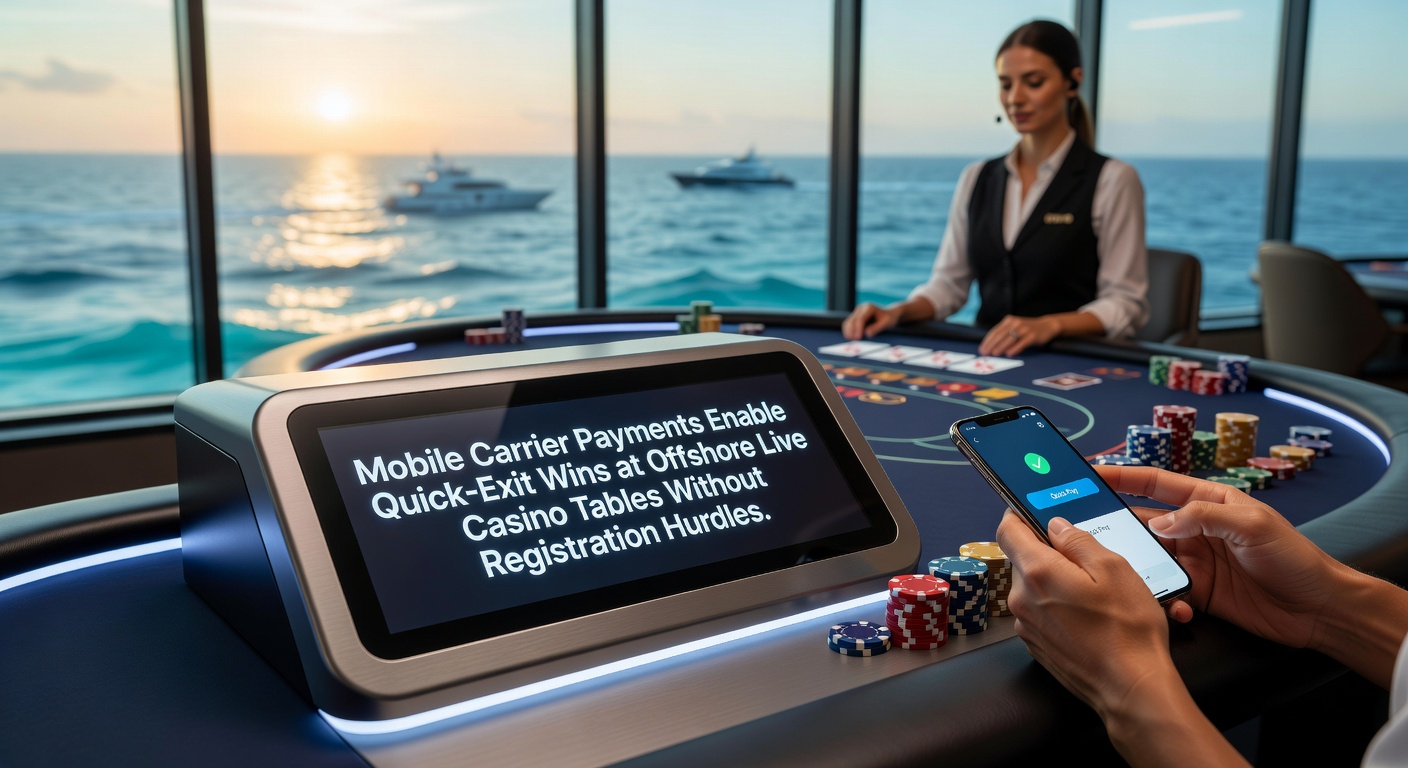
Phone Bill Transactions Unlock Instant Live Table Access and Rapid Payouts at Global Offshore Venues
Phone bill transactions let players fund accounts through their mobile carriers while bypassing traditional registration steps at many offshore live casino platforms, and this approach pairs directly with live dealer tables that stream blackjack, roulette, and baccarat around the clock. Carriers process deposits as premium SMS or direct billing charges that appear on monthly statements, so users avoid sharing bank details or completing lengthy identity checks before the first hand lands. Data from industry tracking services shows transaction volumes for these methods rose steadily through early 2026, with operators reporting higher session lengths when deposits clear in seconds rather than minutes.
How Carrier Billing Integrates With Live Dealer Systems
Offshore platforms connect carrier gateways to their payment processors, which means a player selects the phone bill option, enters a mobile number, and receives a confirmation code that activates the deposit within the same interface used for table entry. Live dealer software then loads immediately because the balance updates in real time, allowing participants to join ongoing games without waiting for external wallet approvals. Researchers at the University of Nevada's gaming studies program documented similar speed advantages in mobile transaction models during 2025 trials, noting that carrier-linked accounts reduced average deposit-to-play intervals by more than half compared with card-based entries.
Live tables benefit further because dealers and software track session balances continuously, and any winnings can route back through the same carrier channel for withdrawal requests that complete before the next shuffle cycle in some configurations. Observers note that platforms licensed under Curacao or Kahnawake frameworks adopted these integrations earliest, creating environments where players move from deposit to cash-out without additional verification layers.
Registration Hurdles Eliminated Through Carrier Verification
Traditional registration collects documents for age and identity confirmation, yet carrier billing shifts that burden to the network provider which already maintains verified subscriber records for billing purposes. Once the carrier approves the charge, the casino receives confirmation of a valid account holder without requesting passports or utility bills from the user. This streamlined path appears most frequently at sites serving international audiences where local regulations permit operator-level flexibility, and participation metrics released by the European Gaming and Betting Association indicate that such options accounted for nearly 30 percent of new mobile sign-ups in monitored markets during the first quarter of 2026.
Live Table Dynamics and Quick-Exit Mechanics
At offshore live tables, quick-exit wins translate to withdrawal requests submitted mid-session that process through carrier channels and reach player accounts within the hour when volume remains moderate. The system works because carrier settlements occur in batches that align with casino payout schedules, eliminating the multi-day holds common with bank transfers. Those who've tracked platform performance report that blackjack and roulette tables see the highest usage of carrier-funded accounts, partly because round times stay short and players can exit after a single winning streak without re-verifying details.
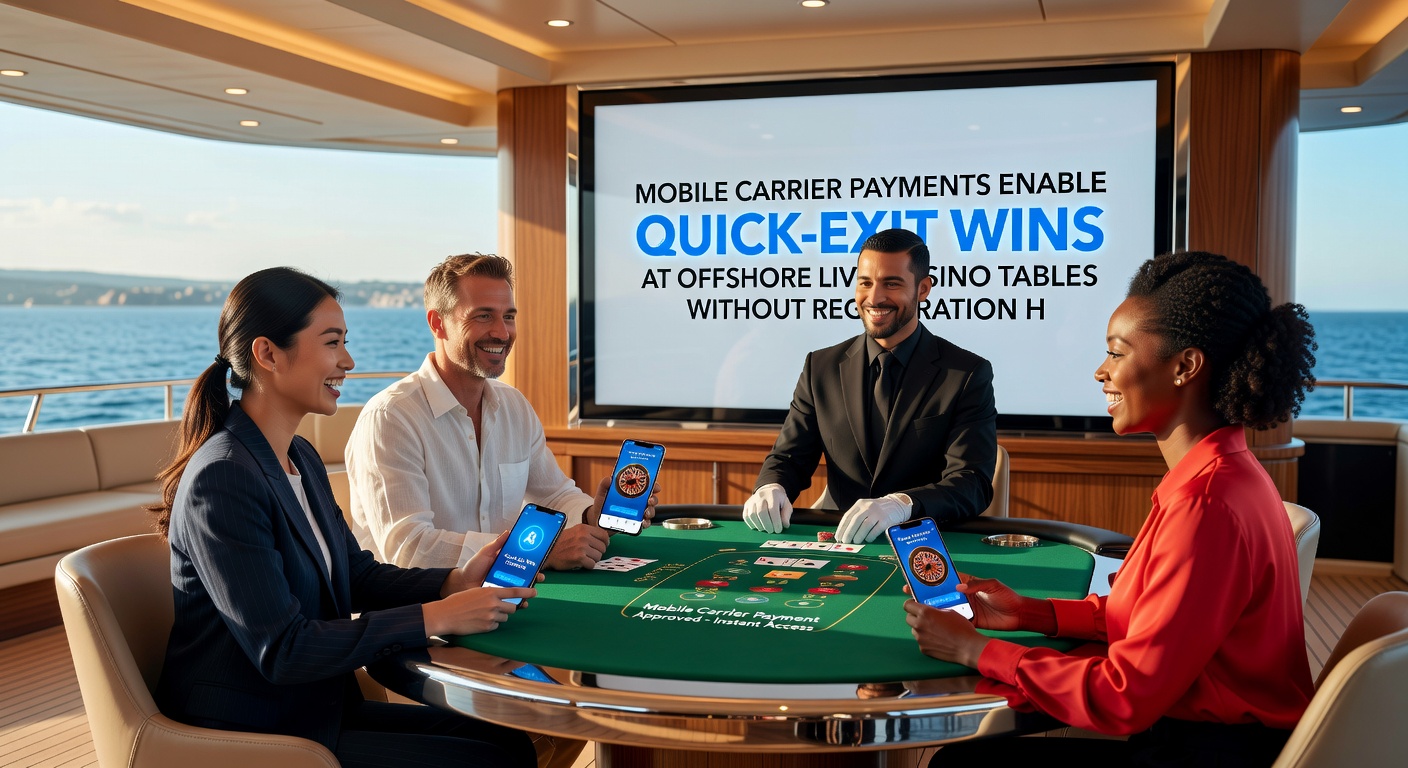
Platform operators adjust table minimums and maximums to accommodate carrier transaction caps, which typically range between five and fifty pounds per charge depending on the network. This adjustment keeps games accessible while maintaining the no-registration model that attracts users seeking immediate play. In May 2026, several operators expanded carrier partnerships to include additional networks in North America and Asia, extending the same frictionless path to wider player bases.
Security and Compliance Considerations Across Jurisdictions
Carrier billing incorporates built-in fraud detection at the network level because unusual charge patterns trigger automatic holds before funds reach the casino wallet. Offshore operators still maintain internal monitoring protocols that flag rapid deposit-withdrawal cycles, yet the absence of manual identity uploads reduces the data points available for review. Reports compiled by the Canadian Centre for Gaming Research highlight that jurisdictions allowing carrier methods maintain separate compliance tracks focused on transaction velocity rather than document verification, which keeps operational overhead lower while meeting anti-money-laundering thresholds through carrier-side checks.
Players encounter spending limits tied to their mobile plan, which prevents overspending and supplies an additional layer of control without casino intervention. These caps reset monthly alongside regular billing cycles, giving users predictable boundaries that align with personal budgets. Industry analysts tracking May 2026 activity observed that platforms offering carrier options recorded lower dispute rates for deposit issues because the carrier itself handles refund requests when technical errors occur.
Conclusion
Mobile carrier payments continue to reshape entry and exit flows at offshore live casino tables by removing registration steps and accelerating payout timelines. The combination of network-verified billing with real-time live dealer interfaces delivers consistent access across multiple regions, supported by compliance frameworks that rely on carrier records rather than repeated user submissions. As more networks join these partnerships through 2026, the model expands reach without introducing new verification layers, maintaining the speed that defines quick-exit play at these venues.