Worldwide Casino Operators Enhance Phone-Based Payments to Accommodate Extensive Game Ranges and Simplified Bonus Claims for British Players
Taylor Coleman · Jul 1, 2026
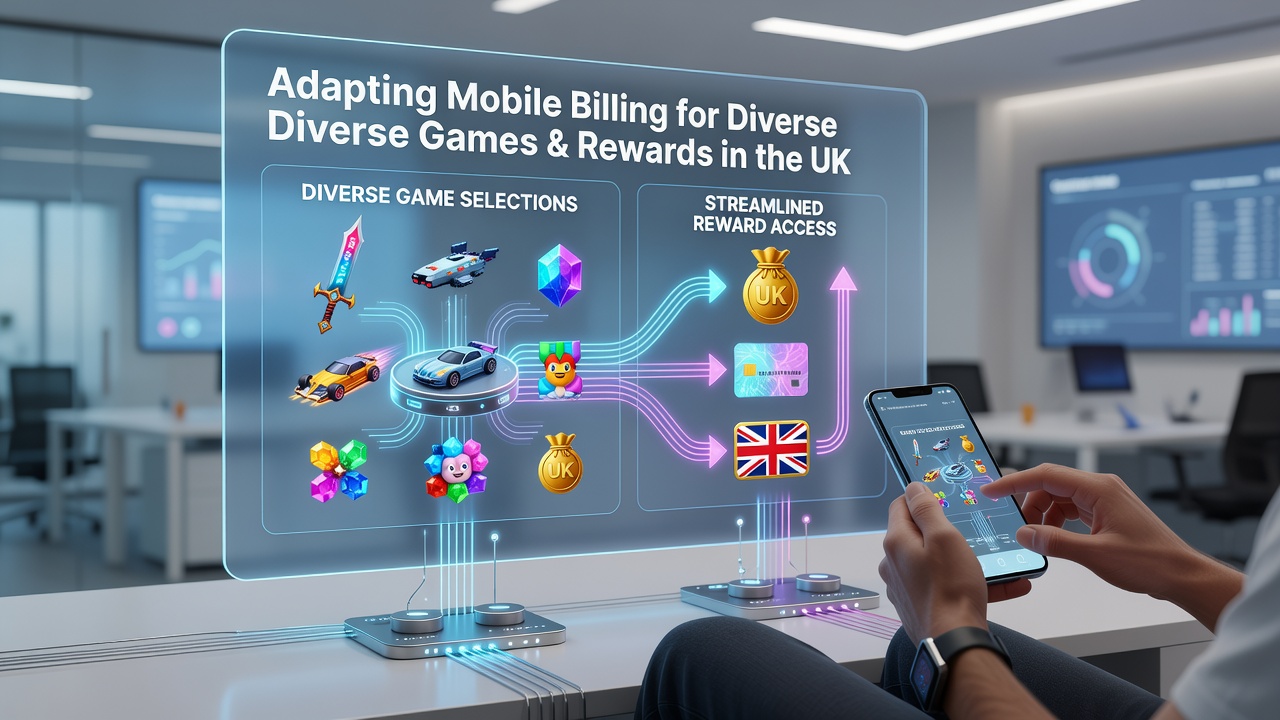
Worldwide Casino Operators Enhance Phone-Based Payments to Accommodate Extensive Game Ranges and Simplified Bonus Claims for British Players
International platforms continue to refine mobile billing systems as operators integrate new payment pathways that connect directly with telecommunications providers across multiple regions, and this evolution allows users in the UK to access broader selections of slots, table games, and live dealer experiences without traditional card processing delays. Data from industry reports indicate that such adaptations emerged prominently by July 2026 when several global networks reported increased transaction volumes through carrier billing partnerships.
Operators achieve this by embedding APIs that link user accounts to mobile wallets and SMS verification protocols, while these connections support real-time deduction of funds from phone balances or added charges on monthly statements, and the process reduces friction for participants who prefer not to share banking details during gameplay sessions. Research conducted by various gaming associations shows that platforms licensed in jurisdictions like those overseen by the Malta Gaming Authority have led in deploying these tools to maintain compliance with regional standards.
Technical Shifts in Carrier Integration
Developments in billing infrastructure now permit seamless switches between game categories because updated systems categorize transactions according to game type and automatically apply relevant fee structures, yet this categorization also streamlines reward distribution by triggering bonus credits immediately after qualifying deposits complete. Observers note that one major operator expanded its live dealer offerings in early 2026 after upgrading its SMS deposit module to handle higher volumes without service interruptions.
Platforms further customize interfaces to display available games alongside billing options so that UK participants encounter clear indicators of which titles accept phone payments, and this transparency extends to reward sections where accumulated bonuses appear alongside withdrawal estimates calculated from carrier data. Figures from the Canadian Gaming Association reveal similar patterns in North American markets where cross-border users influence UK-focused adaptations through shared technology providers.
Expansion of Game Libraries Through Billing Flexibility
Diverse game selections become viable once billing systems accommodate variable transaction sizes because smaller deposits unlock entry-level slots while larger phone bill charges open progressive jackpots and high-limit tables, and operators coordinate these thresholds with telecom partners to prevent overages. Evidence from academic studies on digital payments at European universities highlights how such tiered access correlates with higher retention rates among mobile-first audiences.
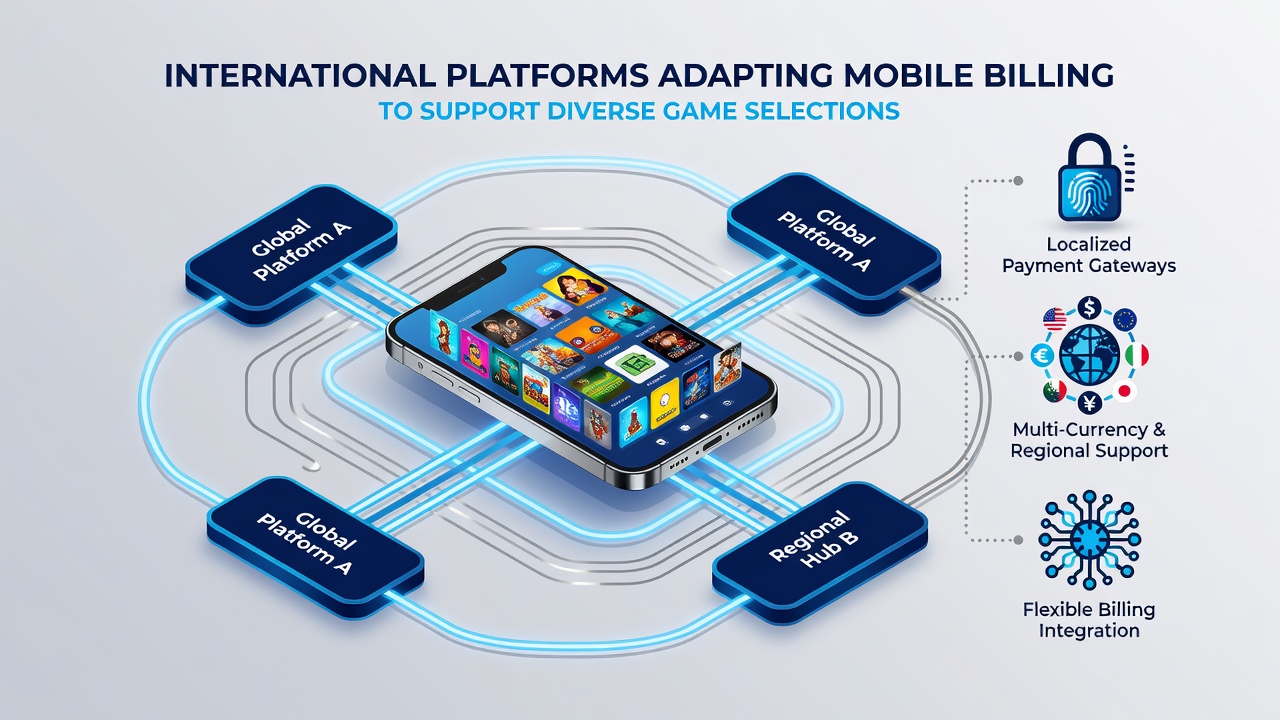
Live dealer environments benefit particularly from these changes since instant billing confirmations allow continuous play without session breaks, whereas traditional methods sometimes introduce pauses that disrupt immersion, and platforms report that UK traffic during evening hours increased after implementing these features. What's interesting is the way reward layers integrate because bonus multipliers apply automatically based on deposit method and game category selected at the time of transaction.
Streamlining Reward Retrieval Processes
Reward access simplifies when mobile billing logs feed directly into loyalty dashboards, which means participants view pending payouts and bonus eligibility without separate verification steps, and this linkage reduces processing times according to data shared by the Australian Communications and Media Authority in its 2026 digital economy review. Systems also flag eligible rewards during active sessions so that users claim them mid-game through the same interface used for deposits.
Global operators test these integrations with regional telecoms to ensure compatibility for UK networks, and successful pilots completed by mid-2026 demonstrated consistent performance across both prepaid and postpaid accounts. Those who've studied payment trends observe that such synchronization supports expanded game rosters because operators allocate marketing resources toward titles that pair well with quick billing cycles.
Conclusion
International platforms maintain momentum in mobile billing refinements by prioritizing compatibility with diverse game formats and direct reward pathways, while ongoing partnerships with carriers and regulators outside the UK continue to shape these capabilities through shared technical standards. The result appears in expanded options for British participants who encounter fewer barriers when moving between game types and claiming associated incentives.