Worldwide Online Gaming Platforms Utilizing Messaging Deposits for Prolonged Virtual Table Play with Multi-Tier Rewards and Rapid Cashouts
Greta Lange · Aug 5, 2026
Worldwide Online Gaming Platforms Utilizing Messaging Deposits for Prolonged Virtual Table Play with Multi-Tier Rewards and Rapid Cashouts
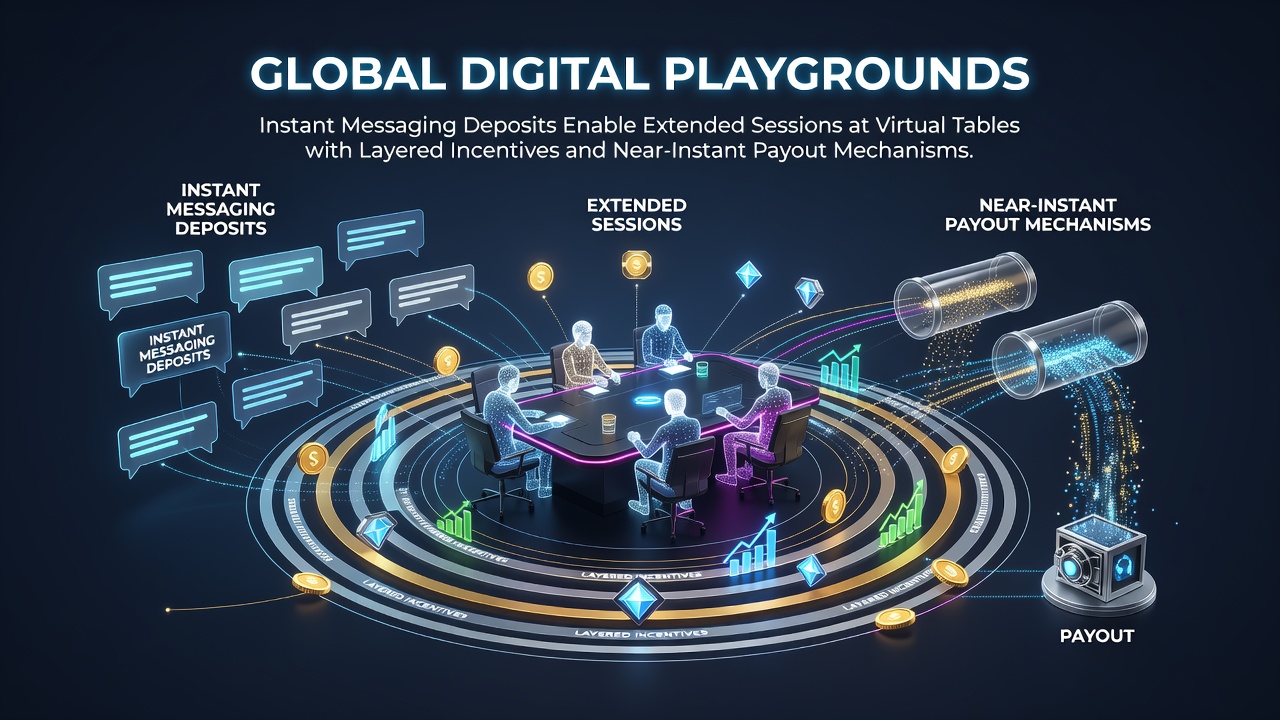
Global digital playgrounds have expanded significantly by August 2026 as platforms integrate instant messaging deposits to support extended sessions at virtual tables, and these systems combine layered incentives with near-instant payout mechanisms that operate across multiple jurisdictions. Observers note that players access these environments through mobile applications where SMS or app-based transfers fund accounts without traditional banking delays, which allows continuous participation at live dealer tables featuring roulette, blackjack, and poker variants. Data from industry reports indicate that such integrations have increased session durations in regions where regulatory frameworks permit offshore operations, while the layered incentives typically include welcome packages, reload bonuses, and loyalty tiers that accumulate based on play volume.
Mechanics of Messaging Deposits in Virtual Environments
Instant messaging deposits function through partnerships between gaming operators and telecom providers or dedicated payment apps, enabling users to transfer funds via text commands or in-app prompts that credit balances within seconds. Researchers have documented that this approach reduces friction compared to card or e-wallet methods, and it supports extended table sessions because players avoid interruptions for additional funding steps. In practice, a participant selects a virtual table, initiates a deposit via messaging interface, and receives confirmation before the next deal or spin, which maintains momentum during live interactions. Studies from the European Gaming and Betting Association highlight how these tools have facilitated broader access in markets with high mobile penetration, connecting related ideas around convenience and sustained engagement.
Layered Incentives and Session Extension Features
Layered incentives form a core component of these platforms, where initial deposits trigger bonus matches, followed by ongoing rewards tied to table activity such as cashback on losses or free rounds at specific intervals. Those who've studied player behavior patterns report that these structures encourage longer sessions by providing incremental value that compounds over time, yet they operate within the parameters set by each platform's terms. Virtual tables incorporate real-time elements like chat functions and dealer interactions that integrate with the incentive layers, allowing participants to track progress toward higher tiers without leaving the interface. What's interesting is how operators adjust incentive thresholds based on regional data, ensuring the system adapts to varying player volumes while preserving the near-instant payout pathways that follow completed sessions.
Payout Mechanisms and Operational Timelines
Near-instant payout mechanisms rely on automated verification processes that process withdrawal requests through the same messaging channels used for deposits, often completing transfers in under an hour when conditions like minimum play requirements are met. Figures reveal that platforms employing these systems have streamlined verification by linking accounts directly to messaging profiles, which minimizes manual reviews and supports the extended sessions users seek at virtual tables. According to a 2026 industry analysis from the Asia-Pacific Gaming Association, adoption rates climbed notably in markets outside strict domestic controls, and this growth correlates with the availability of rapid cashouts that return funds to original messaging-linked accounts. But here's the thing: operational success depends on stable connectivity and compliance with local rules, which vary widely and influence how quickly incentives convert to actual withdrawals.

Global Reach and Regulatory Variations
Platforms operating these global digital playgrounds navigate diverse regulatory landscapes, from jurisdictions with established licensing in Malta to emerging frameworks in parts of Latin America and Southeast Asia. Experts have observed that messaging deposit features align well with areas of strong mobile infrastructure, allowing operators to extend table access while maintaining payout speed as a competitive element. A report issued by the Canadian Centre for Gaming Research in August 2026 noted increased interest from international users drawn to the combination of live dealer options and incentive stacking, and this trend connects directly to the efficiency of instant funding methods. Those monitoring cross-border activity point out that operators often segment services by region to match local deposit preferences, ensuring layered rewards remain accessible without disrupting the flow of virtual table play.
Technological Integration and User Pathways
Technological integration underpins the entire structure, with backend systems coordinating messaging APIs, table software, and payout engines to deliver seamless experiences. People who've examined platform architectures describe how these elements work in tandem so that a deposit via instant messaging immediately updates available funds for table entry, while incentive trackers update in real time to reflect ongoing play. And this setup supports the near-instant payouts by pre-authorizing eligible withdrawals based on session data, which reduces wait times once users decide to cash out. Observers note that such integrations have become standard in many offshore hubs by mid-2026, reflecting broader shifts toward mobile-first designs that prioritize continuity at virtual tables over traditional access barriers.
Conclusion
Global digital playgrounds centered on instant messaging deposits continue to evolve as operators refine the balance between extended virtual table sessions, layered incentives, and rapid payout capabilities. Evidence from multiple regions shows these features operating within established technical and regulatory boundaries, providing structured pathways for participation that adapt to user preferences across different markets. Data indicates sustained development in these areas through 2026, with systems designed to maintain operational consistency while accommodating variations in local requirements.